Unique Conversion Investments unlock the hidden potential of forgotten spaces and unlocks lucrative investment opportunities! In this blog, we’ll delve into the world of unique conversion investments, exploring the art of transforming unconventional real estate into profitable ventures. Discover inspiring examples, practical tips, and valuable insights to guide you on your journey to turning the old into gold.
IN THIS POST
- What Is Unique Conversion Investing?
- The Benefits of Unique Conversion Investing
- Types of Unique Conversion Investments
- How to Find Unique Conversion Investment Opportunities
- Due Diligence for Unique Conversion Investments:
- Case Studies of Successful Unique Conversion Investments
- Conclusion: Turn Forgotten Spaces into Profitable Ventures
- Additional Tips for Inexperienced Investors
- Additional Resources for Multifamily Real Estate Investing
What Is Unique Conversion Investing?
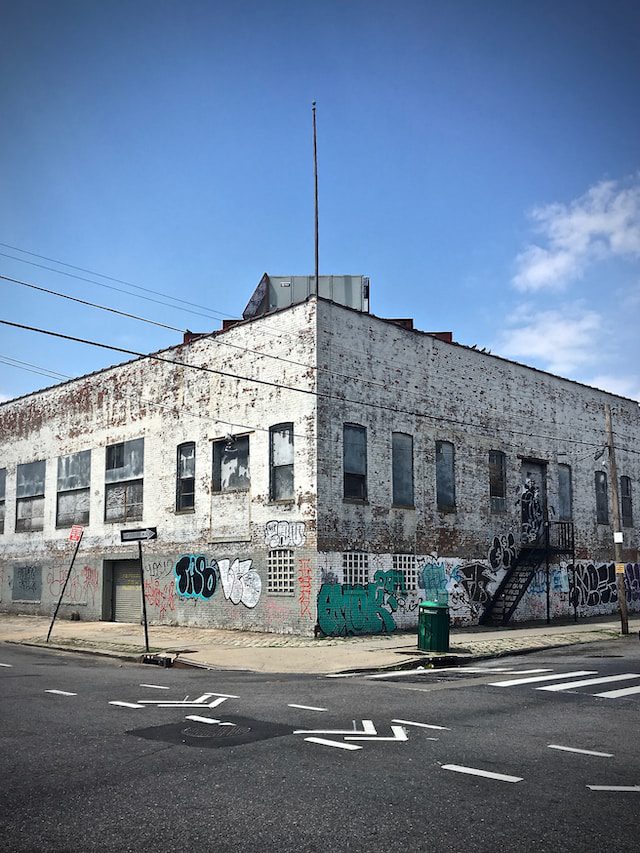
Unique conversion investing involves identifying and capitalizing on opportunities to transform existing buildings and structures into new and more profitable uses. This can be achieved through various strategies, such as:
1. Adaptive Reuse:
- Example: Converting old warehouses into trendy lofts or office spaces.
- Example: Transforming historic buildings into boutique hotels or restaurants.
- Benefits: Preserves historical architecture, revitalizes neighborhoods, and often requires less construction time and cost compared to new builds.
2. Change of Use:
- Example: Converting vacant retail spaces into co-working spaces or fitness studios.
- Example: Transforming office buildings into residential apartments or senior living facilities.
- Benefits: Adapts to changing market demands, maximizes space utilization, and generates higher rental income compared to previous use.
3. Mixed-Use Developments:
- Example: Combining residential apartments with commercial retail spaces on the ground floor.
- Example: Integrating office buildings with hotels and conference centers.
- Benefits: Creates vibrant communities, promotes walkability, and provides diverse revenue streams.
4. Upcycling and repurposing materials:
- Example: Using salvaged wood from old structures to create furniture or art pieces.
- Example: Repurposing shipping containers as temporary housing or pop-up shops.
- Benefits: Reduces waste, promotes sustainability, and adds unique character to the converted space.
5. Targeting underutilized spaces:
- Example: Converting rooftops into urban gardens or outdoor dining areas.
- Example: Transforming basements into game rooms or home theaters.
- Benefits: Maximizes available space, creates additional amenities, and increases property value.
Unique conversion investing offers several potential advantages:
- High returns: Properties can be acquired at a discount and converted into higher-value assets, generating significant profits.
- Reduced risk: Existing structures often require less investment than new construction projects and offer a lower risk profile.
- Diversification: Investors can diversify their portfolios by investing in various sectors, such as residential, commercial, or mixed-use properties.
- Social impact: Repurposing buildings can revitalize neighborhoods, create jobs, and promote sustainable development.
However, this investment strategy also involves certain challenges:
- Zoning and regulations: Obtaining permits and complying with zoning regulations can be complex and time-consuming.
- Construction and renovation costs: Depending on the project’s scale, renovation costs can be significant.
- Market uncertainty: Predicting future demand and rental income for converted spaces can be challenging.
Overall, unique conversion investing presents an intriguing opportunity for investors seeking creative and potentially lucrative returns. By carefully evaluating potential projects, understanding market trends, and managing risks effectively, investors can successfully participate in this dynamic and evolving investment landscape.
The Benefits of Unique Conversion Investing
There are a number of benefits to unique conversion investing, including:
- The potential to find undervalued properties: Unique conversion properties are often overlooked by traditional investors, which can lead to opportunities to purchase them at a discount.
- The ability to create custom-designed properties: When converting a building into a new use, you have the flexibility to design the space to meet the specific needs of your target tenants or customers.
- The potential for higher returns: Unique conversion projects can often generate higher returns than traditional real estate investments, such as rental properties.
Types of Unique Conversion Investments
Several key factors are fueling the rapid growth of the experience destination investment market:
- When considering a unique conversion investment opportunity, it is important to conduct thorough due diligence. This includes:
- Assessing the condition of the property.
- Obtaining estimates for the cost of the conversion project.
- Analyzing the feasibility of the conversion project.
- Researching the demand for the proposed new use of the property.
How to Find Unique Conversion Investment Opportunities
While the potential rewards of experience destinations investments are significant, it’s crucial to carefully consider various factors before making investment decisions:
- Location: Carefully analyze the desirability and tourism potential of the location where the experience destination is planned. Choose a location with strong visitor traffic and a thriving tourism industry to maximize your investment potential.
- Concept Development: Invest in a unique and well-defined concept that resonates with your target audience and sets your experience destination apart from competitors. Conduct thorough market research to identify unmet needs and develop a concept that addresses those needs effectively.
- Experienced Partners: Partner with experienced developers and operators who have a proven track record of success in the experience destination industry. Their expertise and knowledge will be invaluable in navigating the complexities of project development and operation, ensuring a smooth execution and successful outcome.
- Financial Viability: Conduct thorough due diligence to assess the financial viability of the experience destination project. This includes analyzing projected revenue and expenses, determining the feasibility of attaining projected return on investment, and identifying potential risks and mitigation strategies.
Due Diligence for Unique Conversion Investments
When considering a unique conversion investment opportunity, it is important to conduct thorough due diligence. This includes:
- Assessing the condition of the property.
- Obtaining estimates for the cost of the conversion project.
- Analyzing the feasibility of the conversion project.
- Researching the demand for the proposed new use of the property.
Case Studies of Successful Unique Conversion Investments
Here are a few examples of successful unique conversion investments:
- The Old Post Office in St. Louis, Missouri, was converted into a luxury hotel.
- The Nabisco Factory in Chelsea, Manhattan, was converted into a mixed-use development with apartments, retail, and office space.
- The Sears Tower in Chicago, Illinois, was converted into a mixed-use development with apartments, offices, and a hotel.
Conclusion: Turn Forgotten Spaces into Profitable Ventures
Embark on a rewarding journey of unique conversion investments! This guide has equipped you with the knowledge and tools to unlock the hidden potential in forgotten spaces. From historic buildings to industrial structures, uncover a world of possibilities and transform them into lucrative ventures. By following our insights, you can turn the old into gold, generate high returns, and contribute to the revitalization of communities. Let your creativity and entrepreneurial spirit guide you as you embark on this exciting path. Remember, thorough due diligence and strategic planning are key to unlocking success.
Additional Tips for Inexperienced Investors
- Start small. Don’t try to buy the biggest and most expensive self-storage facility right away. Start with a smaller property that you can manage more easily.
- Get professional advice. Work with a qualified real estate broker, investment advisor, and accountant who can help you make sound investment decisions.
- Don’t be afraid to ask questions. There are a lot of resources available to help new self-storage investors. Don’t be afraid to ask questions and learn from the experience of others.
Additional Resources for Multifamily Real Estate Investing
Here are some additional resources you may find helpful:
Websites:
- Urban Land Institute (ULI): https://uli.org/
- ULI is a global, member-driven organization focused on land use and real estate development. Their website offers a wealth of resources on unique conversion investing, including case studies, research reports, and educational webinars.
- National Trust for Historic Preservation: https://savingplaces.org/
- The National Trust for Historic Preservation provides resources and guidance on historic building preservation and rehabilitation. Their website includes information on tax incentives, funding opportunities, and best practices for historic building conversions.
- National Real Estate Development Council (NAREDC): https://www.nareb.com/events/udc-3-day-course-fundamentals-of-real-estate-development/
- NAREDC is a trade association representing the commercial real estate development industry. Their website offers resources on various aspects of real estate development, including unique conversion projects.
- Real Estate Investment Network (REIN): https://www.realestateinvestingincanada.com/
- REIN is a national organization for real estate investors. Their website offers a variety of resources for both new and experienced investors, including articles, webinars, and networking opportunities.
- Grantequity.co: https://www.upcounsel.com/equity-grant
- Grantequity.co is a real estate investment platform that specializes in unique conversion projects. Their website offers a variety of investment opportunities, as well as information on due diligence, risk assessment, and project management.
Books:
- Unique Conversions: Transforming Buildings for Profit by Michael C. Meyer
- The Complete Guide to Historic Building Rehabilitation by Richard W. Hayes
- Adaptive Reuse: Design and Development for a Sustainable Future by Brian Carter and Richard D. King
- The Real Estate Game: The Unique Guide to Wealth and Freedom by Robert T. Kiyosaki
Articles:
- 5 Reasons Why Unique Conversion Investing is Booming (Forbes): https://www.forbes.com/advisor/investing/top-investing-trends-2023/
- The Future of Real Estate is Conversion (Bisnow): https://www.bisnow.com/
- How to Find and Finance Unique Conversion Projects (Realty Mogul): https://sparkrental.com/creative-financing-real-estate/
Videos:
- Unique Conversion Investment Strategies for 2023 (Realty Mogul): https://m.youtube.com/watch?v=Bwmfy943-gw
- How to Convert a Historic Building into a Profitable Business (National Trust for Historic Preservation): https://www.youtube.com/nationaltrustforhistoricpreservation
Software and Tools:
- Reonomy: https://www.reonomy.com/
- A data platform for commercial real estate that can help you identify potential unique conversion properties.
- Costar: https://www.costar.com/
- A leading provider of commercial real estate information, analytics, and insights.
- BuildZoom: https://www.buildzoom.com/
- A platform that provides information on construction projects, including permits, plans, and contractors.
Government Resources:
- The National Park Service: https://www.nps.gov/subjects/taxincentives/
- Offers information on the federal tax incentives available for historic building rehabilitation projects.
- U.S. Department of Housing and Urban Development (HUD): https://www.hud.gov/program_offices/cfo/gmomgmt/grantsinfo
- Offers a variety of grants and programs to support affordable housing development, including funding for the conversion of existing buildings into affordable housing units.
By utilizing these resources, you can gain a deeper understanding of the self-storage industry, learn about successful investment strategies, and connect with other self-storage professionals.
Disclaimer: While Grantequity.co has compiled this list of resources, we cannot guarantee the accuracy or completeness of the information provided. Please conduct your own due diligence before investing in any asset class.